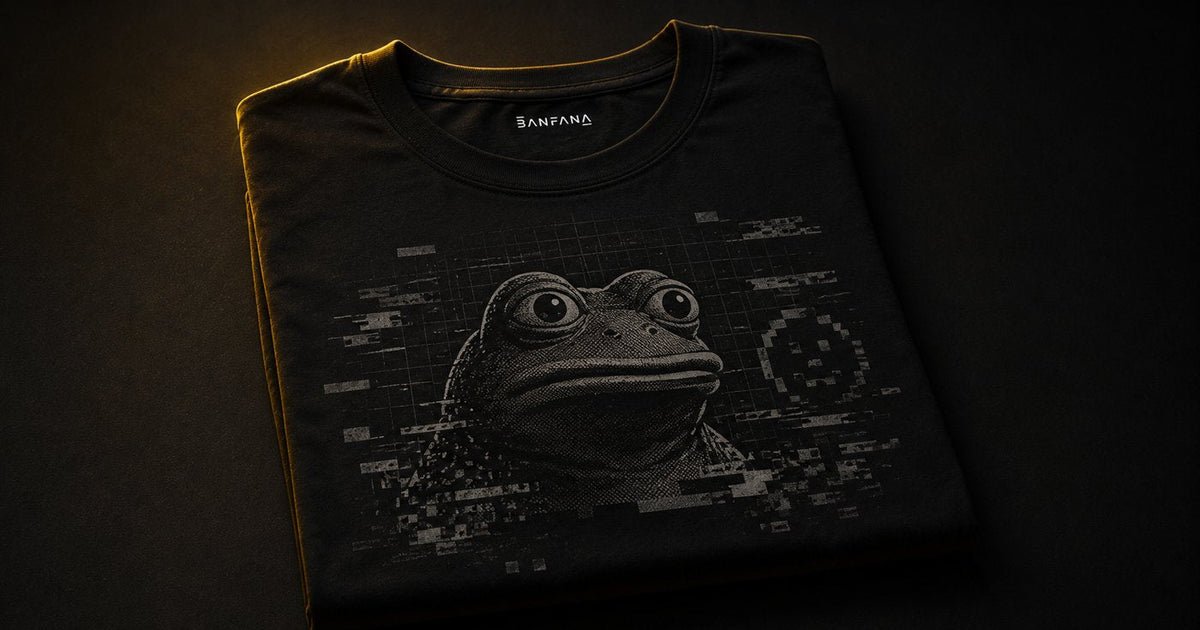
The fastest-selling t-shirt of any given month is rarely the most beautifully designed one. It's the one that says the thing everyone is already thinking. That's meme apparel — clothing built on internet culture, in-jokes, and timing — and it has quietly become one of the most reliable niches in ecommerce.
Why it works
Meme apparel sells because it does two jobs at once: it's a joke and it's an identity marker. When someone wears a shirt referencing a specific corner of the internet, they're signalling membership to everyone who gets it. That built-in "if you know, you know" factor turns customers into walking advertisements.
It's also a low-competition game if you move fast. Broad niches like "funny t-shirts" are brutally saturated. But a shirt tied to a specific moment — a trending sound, a fresh format, a cultural beat — often has hungry buyers and almost no competitors, because most stores are too slow to react.
The catch: speed and data
Meme relevance has a short shelf life. To win, you need to spot the trend early, get product live fast, and make sure your listings are actually findable the moment demand spikes. That last part is where most small stores lose — a great shirt with a thin, poorly-structured product listing won't show up in Google Shopping or on-site search when the wave hits.
That's the boring-but-critical half of meme merch: your product data has to be as sharp as your jokes. Clean titles, benefit-led descriptions, correct categories, and structured data are what turn a viral idea into actual sales.
Getting started
You don't need a warehouse. Print-on-demand and small-batch manufacturing let you test designs with near-zero risk. Launch a handful, watch what moves, and double down on winners.
Want to see what a clean, feed-ready catalog looks like? Browse the collection — every product here is enriched with the kind of structured detail that makes listings rank.